5 Morning Routines That Can Transform Your Health
  1. Posts/

5 Morning Routines That Can Transform Your Health

Author
VitalPath
Evidence-based health tips, wellness routines, and self-care guides for a balanced life.

How you start your morning sets the tone for the rest of your day. Research consistently shows that intentional morning routines can improve both physical and mental health outcomes. Here are five evidence-based habits worth adopting.

1. Hydrate Before Caffeine
#

After 7-8 hours of sleep, your body is naturally dehydrated. Drinking a glass of water before reaching for coffee helps kickstart your metabolism and supports cognitive function.

A glass of water on a morning table
Morning hydration

A 2019 study published in the Journal of Clinical Endocrinology & Metabolism found that drinking 500ml of water increased metabolic rate by 30% within 10 minutes.

2. Get Morning Sunlight
#

Exposure to natural light within the first hour of waking helps regulate your circadian rhythm. This simple habit can improve sleep quality, mood, and alertness throughout the day.

Sunlight streaming through a window in the morning
Morning sunlight exposure

Even 10-15 minutes of outdoor light exposure can make a significant difference, especially during darker months.

3. Move Your Body
#

You don’t need an intense workout — even a 10-minute walk or gentle stretching session can reduce cortisol levels and boost endorphins. The key is consistency over intensity.
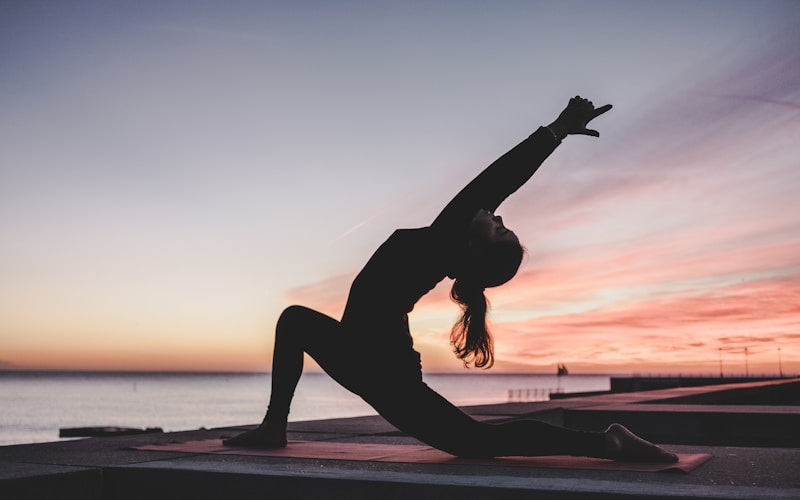
Person stretching outdoors in the morning
Morning stretching routine

4. Practice Mindful Breathing
#

Taking just 5 minutes for deep breathing or meditation can lower stress hormones and improve focus. Apps and guided sessions make this accessible even for beginners.

Try the 4-7-8 technique:

  • Inhale for 4 seconds
  • Hold for 7 seconds
  • Exhale for 8 seconds

Repeat this cycle 3-4 times to activate your parasympathetic nervous system.

5. Eat a Balanced Breakfast
#

A breakfast rich in protein, healthy fats, and fiber provides sustained energy without the mid-morning crash. Consider options like:

  • Greek yogurt with berries and nuts
  • Whole grain toast with avocado and eggs
  • Overnight oats with chia seeds and fruit

Building Your Routine
#

The best morning routine is one you can actually stick with. Start with just one or two of these habits and gradually build from there. Remember, consistency matters more than perfection.

Small changes, practiced daily, compound into remarkable results over time.

Related

Strength Training After 40: What Changes and What Doesn't

Starting around age 30, adults lose 3-8% of muscle mass per decade. After 50, that rate accelerates. This process — called sarcopenia — is one of the strongest predictors of reduced quality of life in older adults. But it’s also one of the most preventable. Why Strength Training Matters More With Age # Muscle isn’t just about aesthetics. It’s a metabolic organ that regulates blood sugar, supports bone density, protects joints, and maintains functional independence. Research consistently shows that strength training is the most effective intervention against age-related decline.

Cold Showers, Ice Baths, and Cold Exposure: Separating Hype from Science

Cold plunges are everywhere — from Instagram reels to corporate wellness programs. Advocates claim they boost immunity, burn fat, improve mood, and accelerate recovery. But how much of this is backed by solid evidence? What the Research Actually Shows # Let’s separate the well-supported claims from the hype. Strong Evidence # Mood and alertness: Cold water exposure triggers a significant release of norepinephrine — up to 200-300% above baseline. This neurotransmitter directly improves mood, focus, and energy. A 2023 study in Biology found that regular cold water immersion reduced symptoms of depression and anxiety.

How to Build a Sustainable Meditation Practice (Even If You Hate Sitting Still)

If you’ve tried meditation and quit because you “can’t stop thinking,” you’re not alone. About 60% of people who start a meditation practice abandon it within the first month. But the problem usually isn’t you — it’s the approach. The Misconception That Kills Most Practices # The biggest myth about meditation is that the goal is to empty your mind. It’s not. Meditation is about noticing your thoughts without getting carried away by them. Your mind will wander — that’s not failure, that’s the exercise.

Walking Is the Most Underrated Exercise — Here's the Proof

In a world obsessed with HIIT workouts and marathon training, walking gets dismissed as “not real exercise.” But a growing body of research suggests that walking may be the single most effective form of physical activity for long-term health. The Numbers Don’t Lie # A landmark 2023 meta-analysis in the European Journal of Preventive Cardiology analyzed data from over 226,000 people and found that walking just 3,967 steps per day reduced all-cause mortality risk. Every additional 1,000 steps further reduced the risk by 15%.

Gut Health 101: What Your Microbiome Actually Needs

The gut health industry is booming — probiotics, prebiotics, postbiotics, synbiotics. But behind the marketing, the science tells a simpler story than most supplement companies want you to hear. Your Gut Is an Ecosystem # Your digestive tract hosts roughly 38 trillion microorganisms. That’s more bacterial cells than human cells in your body. This community — your microbiome — influences everything from immune function to mood regulation.

The Science of Sleep: Why 7 Hours Isn't Enough for Everyone

We’ve all heard the “get 8 hours” advice. But sleep science has moved well beyond one-size-fits-all recommendations. Your optimal sleep duration depends on genetics, age, activity level, and even the season. The Sleep Duration Myth # The National Sleep Foundation recommends 7-9 hours for adults, but that range exists for a reason. A 2024 study in Nature Human Behaviour found that individual sleep needs can vary by as much as 3 hours between people of the same age.